
Back to all walkthroughs


Plaso Timeline Analysis
Learn how Plaso turns a pile of artifacts into one sorted timeline, how to keep that timeline small enough to work with, and how to analyse it in Timeline Explorer.
medium
To access material, start machines and answer questions login.
Most forensic work starts by asking one artifact a question at a time. You parse the event logs, then the registry, then , and you hold the answers in your head while you try to line them up. A super timeline turns that around. Every timestamped artifact on the system gets pulled into one chronological stream, so the registry key written at 22:41 sits on the line directly below the logon that caused it. Plaso is the engine that does this, and this room covers how to drive it properly.
The Case
Northbeck Composites is a mid-sized aerospace engineering firm. Its design files live on NB-FS01, a standalone Windows file server with no domain behind it, where staff hold local accounts and reach their project folders across the network.
Martin Okafor is a senior design engineer working out his notice period. Two days before his last day, HR received a tip that he had accepted a role at a competitor. Legal set the scope at 15 to 23 September, and IT pulled a triage collection from the server.
The one thing IT could tell you is that Okafor's account shows a remote desktop session on NB-FS01 that afternoon. His job is to open files over the network. He has never logged into the server directly in his life.
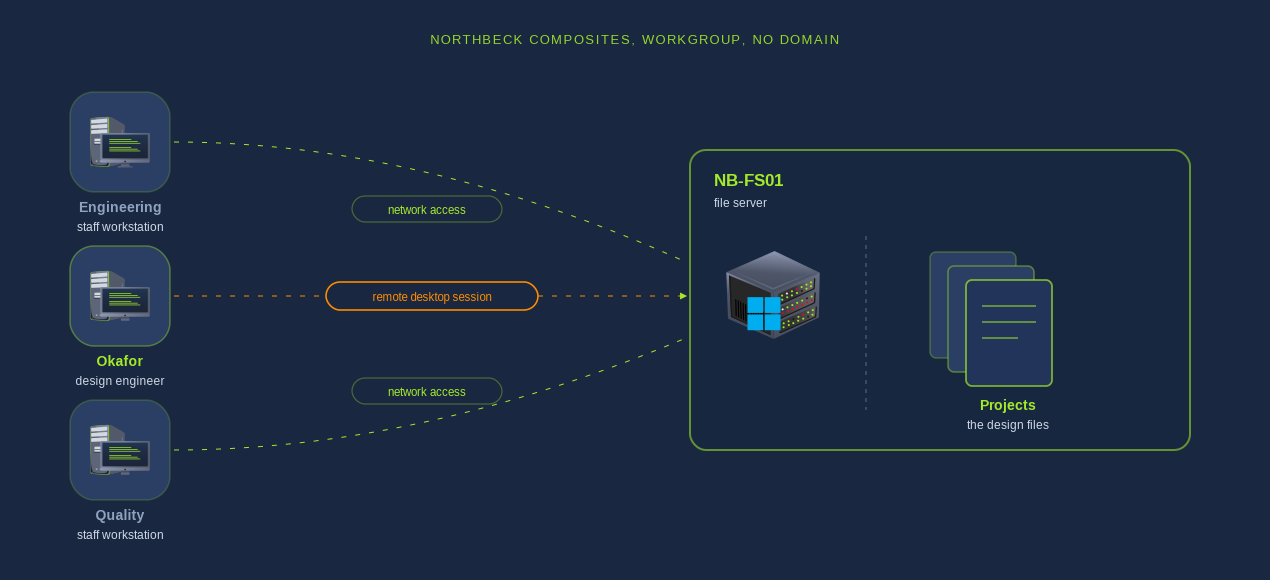
NB-FS01 runs on , and every timestamp in this room is UTC.
Prerequisites
Learning Objectives
- Explain what a super timeline is, and decide when to build one
- Use log2timeline, pinfo, psort and psteal
- Choose parsers and presets deliberately instead of parsing everything by default
- Analyse a super timeline in
Ready to learn Cyber Security?
The Plaso Timeline Analysis room is only available for Premium or Max subscribers. Signup now to access more than 500 free rooms and learn cyber security through a fun, interactive learning environment.
Already have an account? Log in